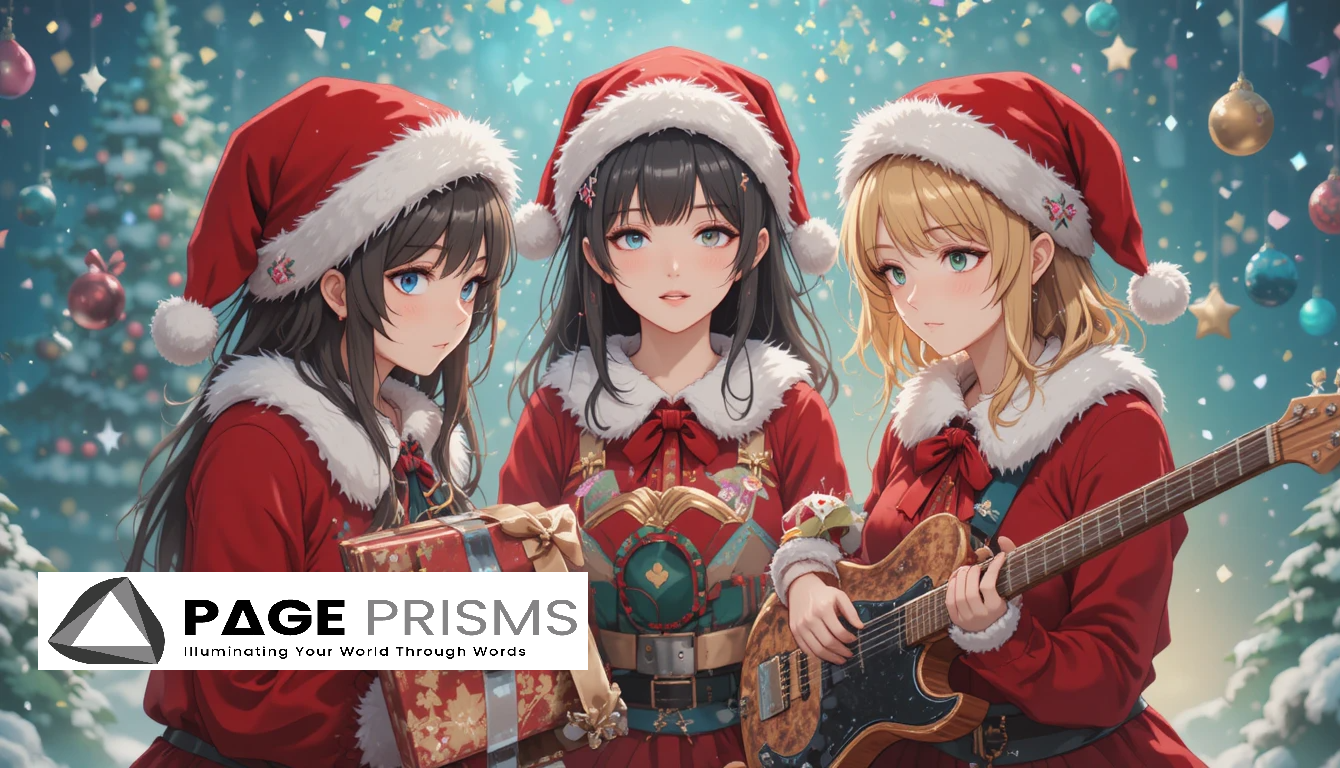
Each year, as the calendar turns to the final weeks of December, a commonplace feeling creeps over homes, streets, shops, and screens. Beautifications appear up, lights twinkle, and in the background—sometimes carefully, in a few cases triumphantly—the unmistakable sound of Christmas music fills the examine. More than reasonable tunes played during the event season, Christmas music speaks to history, culture, spiritual presence, insightfulness, and a one-of-a-kind, energetic association shared over generations.
From old-fashioned tunes to present-day pop hits, from classical symphonic works to jazz-infused carols, the lesson of Christmas music is an unending, glimmering scene. It moves a group of onlookers, not because of the tune, but because of the stories and memories woven into each note. This article explores the origins of Christmas music, how it evolved into a worldwide phenomenon, and why it continues to hold such a firm grip on our sentiments and conventions.
A Tradition Rooted in Centuries of History
To get control of Christmas music nowadays, we must begin by looking back. Not long ago, Mariah Carey announced she, as it were, needed “you” for Christmas; people celebrated winter ceremonies with song.
1. Pre-Christian Winter Traditions
Ancient civilizations used music to celebrate the winter solstice—marking the return of longer days and the triumph of light over darkness. These tunes were not unequivocally “Christmas” tunes, but they shared themes of trust, warmth, and renewal.
2. Early Christian Hymns
By the 4th century, as Christmas became an official Christian celebration, devout music started to shape the occasion. Early psalms were grave and otherworldly, composed in Latin and centered on the nativity story.
3. The Rise of Christmas Carols
By the Middle Ages, individuals throughout Europe were making carols, derived from the French word carole, meaning a ring move accompanied by melody. Carols began as merry, blissful pieces sung at various celebrations—not only religious ones.
By the 13th century, St. Francis of Assisi was credited with popularizing nativity plays, including enthusiastic tunes performed in neighborhood dialects. These carols spread quickly, advancing into the conventional Christmas melodies recognizable today.
4. Victorian Influence
The Victorian period (1800s) molded Christmas music profoundly:
- Caroling got to be an adored tradition
- Iconic tunes like Noiseless Night and O Come, All Ye Faithful were introduced.
- Christmas has got to be a family-centered occasion filled with charity, ceremonies, and song.
A noteworthy parcel of today’s “classic” Christmas music came from this era.
The Global Expansion of Christmas Sounds. Through migration, trade, and cultural exchange, Christmas music spreads globally, absorbing diverse musical traditions.
North America
Immigrants brought European carols to the United States, where they blended with American musical styles—jazz, gospel, pop, country—to create modern occasion classics.
Songs like:
- White Christmas
- Jingle Bell Rock
- Rudolph the Red-Nosed Reindeer
Became a global standard.
Latin America
Latin America contributed musical, celebratory Christmas music like:
- Feliz Navidad by José Feliciano
- lively villancicos
- Caribbean-inspired holiday beats
Asia and Africa
In numerous locales, Christmas music blends local rebellious and dialectal elements with Western songs, creating new renditions that resonate culturally.
The all-inclusiveness of occasion music—joy, warmth, celebration—makes it versatile across cultures.
Why Christmas Music Feels So Emotional
Even individuals who don’t celebrate Christmas frequently appreciate the music. But why?
1. Nostalgia and Memory Activation
Music psychologists note that holiday songs trigger:
- childhood memories
- family traditions
- past celebrations
- feelings of belonging
These enthusiastic associations escalate in December when individuals typically reflect on the past.
2. Repetition and Familiarity
Christmas music is patterned. Hearing the same cherished tunes each year makes for an enthusiastic stay. Nature brings consolation and security amid a season associated with togetherness.
3. Themes of Hope and Warmth
Christmas songs often focus on:
- peace
- love
- kindness
- generosity
- joy
- winter beauty
These themes resonate universally.
4. Musical Structure
Many holiday songs use:
- major keys
- soft bells
- warm vocal harmonies
- gentle rhythms
These create feelings of comfort and cheer.
The Many Types of Christmas Music
Christmas music is not a single genre—it spans dozens of styles.
1. Traditional Carols
Examples include:
- Silent Night
- The First Noel
- Hark! The Herald Angels Sing
Choirs, orchestras, or church groups often perform these.
2. Pop Christmas Hits
The modern era introduced Christmas pop music, such as:
- Mariah Carey – All I Want for Christmas Is You
- Wham! – Last Christmas
- Ariana Grande – Santa Tell Me
Pop holiday songs dominate the radio and streaming every December.
3. Jazz Christmas
Artists like Straight to the point Sinatra, Nat King Cole, and Ella Fitzgerald made a difference, shaping an ageless, snazzy Christmas sound.
4. Instrumental & Classical Christmas Music
This includes orchestral versions of carols and classical masterpieces like:
- Tchaikovsky’s Nutcracker Suite
- Handel’s Messiah
5. Children’s Christmas Songs
Including:
- Frosty the Snowman
- Santa Claus Is Coming to Town
- Jingle Bells
These playful tunes create holiday excitement for younger listeners.
6. Contemporary Interpretations
Modern artists reimagine Christmas music through:
- R&B
- EDM
- indie acoustic
- rock
The genre keeps evolving each year.
Christmas Music in Media and Popular Culture
Christmas music is now inseparable from modern entertainment.
In Films
From Home Alone to The Grinch, Christmas songs help shape cinematic emotion.
In Advertising
Brands rely on cheerful music to create a festive atmosphere and encourage holiday shopping.
In Streaming Platforms
Playlists like:
- “Christmas Classics”
- “Holiday Pop”
- “Cozy Christmas Jazz”
Received millions of streams during December.
Christmas Music Around the World
Although the subjects are comparable, each culture adjusts Christmas music in its own way.
United Kingdom
Classic carols and happy pop hits rule the season.
Germany
Home of Christmas markets—and famous melodies like O Tannenbaum.
The Philippines
Celebrated for the longest Christmas season in the world, with nonstop occasion music from September to January.
Australia
Summer-themed Christmas melodies emphasize shoreline celebrations.
Africa
Gospel, Afrobeat, and neighborhood rhythms blend to make dynamic occasion sounds.
Why Christmas Music Returns to the Charts Every Year
Few genres have the power to re-enter charts annually.
Reasons include:
- emotional connection
- cultural nostalgia
- Traditions are passed down through families.
- streaming algorithms
- holiday marketing cycles
Mariah Carey’s hit alone re-enters global charts every December like clockwork.
The Future of Christmas Music
As technology and taste evolve, so will holiday music.
1. AI-Generated Christmas Songs
Artificial insights presently compose merry tracks that imitate classic styles.
2. Interactive & Personalized Music Experiences
Users can produce their claim song or customize arrangements.
3. Multicultural Fusion
Blending worldwide rebellious and dialects gives Christmas music a new identity.
4. Virtual and Augmented Reality Performances
VR Christmas concerts and holographic carolers may ended up the unused normal.
Conclusion: A Soundtrack That Connects the World
Christmas music is more than a playlist—it’s a shared worldwide custom. These tunes hold recollections, bring families together, stamp conventions, and elevate spirits. Whether sung in churches, played in stores, gushed from earphones, or delighted in amid cozy moments at home, Christmas music brings warmth to the heart of winter.
It tells stories of trust, speaks to the most profound feelings of the season, and reminds individuals everywhere that delight, liberality, and association remain immortal.